

In the past few years, nurses and healthcare professionals have been redefining what it means to build a fulfilling and sustainable career in healthcare. The traditional approach to nursing, long hours, limited flexibility, and minimal recognition, is evolving rapidly. Nurses today are seeking more balance, autonomy, and opportunities for professional growth. This shift has forced healthcare leaders to reimagine the workplace and adopt modern nurse retention strategies that prioritize flexibility, support, and well-being. As we move through 2025, healthcare facilities that listen to their teams and create environments where nurses feel valued are finding greater stability and improved patient outcomes. It’s no longer enough to simply hire nurses; retaining them through thoughtful engagement and respect has become essential to the future of healthcare.
During Nurses Week, Valor Talent took the opportunity to explore how nurses feel about their careers today and what motivates them to stay in their roles. The focus was not only on job satisfaction but also on deeper emotional factors such as recognition, empowerment, and trust. By analyzing nurse feedback, Valor Talent identified key actions that healthcare facilities can take to strengthen their workforce, from improving communication and leadership support to fostering cultures rooted in healthcare worker appreciation. Recognizing the hard work and emotional resilience of nurses is no longer optional; it’s a strategic necessity for maintaining morale, improving retention, and ensuring the highest quality of care.
To better understand these shifts, Valor Talent conducted an extensive Nurses Sentiment Survey in 2025, gathering responses from nearly 350 nurses and healthcare professionals across the nation. The findings revealed how dramatically the priorities of nurses have evolved over the past year. While financial compensation remains important, factors such as emotional well-being, work-life balance, and burnout prevention now rank even higher. These insights reinforce the urgent need for hospitals and staffing partners to invest in nurse burnout prevention programs, mentorship opportunities, and flexible scheduling models. By combining effective nurse retention strategies with meaningful healthcare worker appreciation, facilities can not only reduce turnover but also build stronger, more loyal, and more motivated nursing teams ready to thrive in the future of healthcare.
Nurse Burnout Prevention: A Growing Priority
Burnout continues to be one of the most critical issues facing healthcare today, especially among nurses and frontline care providers. The word “burnout” has become so common in healthcare conversations that it can almost sound routine, but the consequences it carries are anything but. Burnout impacts not only the individual nurse but also the entire healthcare system. When nurses feel overworked, undervalued, or emotionally exhausted, it leads to staff turnover, decreased morale, and, most importantly, compromised patient care. Addressing this challenge is at the heart of effective nurse burnout prevention and long-term nurse retention strategies.
Tackling burnout requires a collaborative approach between healthcare workers and healthcare facilities. Nurses must be supported through realistic scheduling, ongoing education, and access to mental health resources. At the same time, healthcare organizations need to implement sustainable solutions, like improved staffing ratios, flexible work models, and strong recognition programs, that promote a culture of healthcare worker appreciation. When nurses feel valued, supported, and heard, they’re more likely to stay engaged, motivated, and committed to delivering exceptional patient outcomes. Burnout isn’t simply an individual problem; it’s a systemic issue that demands strategic attention from leadership across all levels of care.
Progress in Burnout Reduction
Encouragingly, Valor Talent’s 2025 Nurses Sentiment Survey shows slight progress in reducing burnout among nurses and healthcare professionals. The survey revealed that 58.4% of respondents reported experiencing burnout or exhaustion within the past year, compared to 60% in the previous year. While a 1.6% decrease may seem minimal, it suggests that the healthcare community is beginning to see the early results of its nurse burnout prevention efforts. However, the data also highlights that there’s still much work to be done, meaningful change will require more than small year-over-year improvements.
Understanding the Severity of Burnout
Beyond just the numbers, the survey also explored the severity of burnout. Half of all respondents (50%) indicated that their burnout levels had not changed from the previous year, neither worsening nor improving. Meanwhile, 26.5% of nurses and healthcare professionals reported that their burnout had increased, while 23.5% experienced a reduction in stress and exhaustion. These findings illustrate that while some progress has been made, the emotional and physical toll on healthcare workers remains significant.
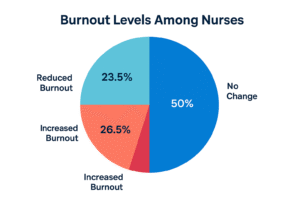
For healthcare organizations, this data underscores the urgent need for robust nurse retention strategies that go beyond surface-level fixes. Investing in leadership training, promoting peer support networks, and celebrating healthcare worker appreciation throughout the year, not just during Nurses Week, can make a lasting difference. When healthcare institutions truly prioritize nurse burnout prevention, they not only retain skilled nurses but also build a stronger, more compassionate workforce that drives better patient care and long-term organizational success.
Lack of Appreciation in the Workplace
One of the most revealing findings from Valor Talent’s 2025 Nurses Sentiment Survey was that 72.2% of respondents identified a lack of appreciation in the workplace as the primary driver of burnout. This result highlights a critical truth: nurses and healthcare professionals are not just seeking fair compensation, they’re seeking genuine recognition. Healthcare worker appreciation is one of the most powerful yet underutilized tools for nurse burnout prevention. When nurses feel unseen or undervalued, their motivation and engagement drop, leading to higher stress levels and increased turnover.
At its core, appreciation in healthcare doesn’t have to be grand or costly, it simply needs to be consistent and sincere. Small gestures, like offering a heartfelt “thank you,” recognizing nurses publicly for their efforts, or involving them in key decision-making processes, can have a profound impact. According to Valor Talent’s previous year’s survey, nurses appreciated tangible tokens of gratitude such as gifts or gift cards, but many also expressed that acknowledgment and open communication mattered just as much. The takeaway is clear: nurse retention strategies that prioritize appreciation and respect foster a stronger sense of belonging, reduce stress, and improve morale across entire care teams. When healthcare workers feel valued, they’re more likely to stay committed to their roles and deliver exceptional patient care.
The Role of Compensation in Nurse Burnout Prevention
Closely following the appreciation gap was lack of competitive compensation, cited by 69.1% of respondents as a major cause of burnout. This finding echoes last year’s results, where 75% of nurses stated that pay was a deciding factor when choosing shifts. While appreciation addresses emotional well-being, compensation speaks to the practical side of retention. Nurses perform emotionally and physically demanding work that requires immense skill and dedication. When compensation fails to reflect that effort, frustration and fatigue grow, often leading to job dissatisfaction or turnover.
Many healthcare facilities face financial pressures, making it difficult to continuously raise wages. However, competitive compensation should not be viewed as an expense but rather as a long-term investment in stability. By reducing turnover through fair pay and better nurse retention strategies, facilities can lower recruitment and training costs while maintaining consistent, high-quality patient care. Even incremental pay adjustments or retention bonuses can make a difference in keeping experienced nurses engaged and loyal to their organizations.
Long Hours, Patient Ratios, and Flexibility Challenges
Beyond appreciation and pay, several other factors continue to influence burnout levels among nurses and healthcare professionals. According to the 2025 survey, 50.2% of respondents pointed to long hours as a key contributor, 43.4% cited unmanageable patient ratios, and 32.9% mentioned lack of flexibility as a cause of exhaustion. These challenges are deeply interconnected, stemming from persistent staffing shortages that have only intensified in recent years. When healthcare facilities operate below optimal staffing levels, nurses are left covering extra shifts, managing higher patient loads, and losing control over their schedules, all of which accelerate burnout.
To address these issues, healthcare organizations must adopt flexible scheduling models, expand per diem and travel nurse programs, and embrace technology to improve staffing workflows. Many nurses are now turning to alternative work structures, such as per diem shifts, which allow them to choose when and how they work. These models not only offer flexibility but also help reduce nurse-to-patient ratios, giving nurses more time to focus on patient care while maintaining their own well-being. Integrating such flexibility into nurse retention strategies is one of the most effective approaches to achieving long-term nurse burnout prevention.
Ultimately, tackling burnout is about balance, balancing appreciation with fair pay, workload with recovery time, and structure with flexibility. By addressing all these elements together, healthcare facilities can create a more supportive environment where nurses feel valued, empowered, and ready to thrive. A culture built on consistent healthcare worker appreciation and proactive wellness initiatives will not only improve retention but also enhance the overall quality of care patients receive.
Flexible Work: A Key Factor in Nurse Retention Strategies
As healthcare professionals seek ways to combat burnout and achieve a healthier work-life balance, more nurses are turning to flexible work options through marketplaces like Valor Talent. In the 2025 survey, 84.6% of respondents indicated that flexibility was the primary reason they signed up for Valor Talent. This highlights a major shift in priorities: today’s nurses are not just looking for a paycheck, they are seeking schedules that allow them to live fulfilling lives outside of work. Flexible scheduling has become a crucial component of nurse retention strategies, helping healthcare facilities reduce burnout and retain skilled staff.
Flexibility empowers nurses and health professionals to create a richer personal life that supports mental and emotional well-being. This can include pursuing hobbies, caring for family, improving mental health, or exploring side businesses and personal projects. Younger generations entering the workforce, such as Millennials and Gen Z, increasingly value flexibility over traditional full-time work. According to a 2024 Deloitte survey, 45% of Gen Z and 36% of Millennials reported having either a part- or full-time side job, emphasizing that control over one’s schedule is now a top priority. By offering flexible opportunities, healthcare organizations can demonstrate healthcare worker appreciation while addressing burnout, ultimately boosting retention and satisfaction.
How Flexibility Impacts Nurse Burnout Prevention
The survey also highlighted the positive effects of flexible scheduling on nurse burnout prevention. 71.8% of respondents reported that picking up shifts through Valor Talent improved their work-life balance, giving them more energy and focus for both personal and professional responsibilities. By enabling nurses to set their own schedules, healthcare facilities can reduce long hours, prevent exhaustion, and promote a healthier, more resilient workforce. Flexibility is no longer a luxury, it’s a necessary tool for sustaining a motivated and high-performing nursing staff.
Diverse Experiences Through Multiple Facilities
Another growing trend among nurses and health professionals is the desire to work across multiple facilities. Many healthcare workers are seeking variety to avoid stagnation, office politics, or limited growth opportunities. Working at different locations allows them to expand their skill sets, learn from a wider range of colleagues, and gain exposure to diverse patient care practices. This approach also aligns with nurse retention strategies, as it helps nurses remain engaged and satisfied in their careers by providing both challenge and variety.
For healthcare facilities, this model offers tangible benefits. By allowing nurses to work flexible shifts across multiple sites, facilities can assess performance before offering permanent positions. When a nurse proves to be a strong fit, they can be “favorited” for future shifts, increasing continuity of care, improving team cohesion, and reducing the time and cost associated with onboarding new staff. In fact, the survey revealed that 96% of respondents had been favorited by at least one facility, demonstrating the effectiveness of this approach in fostering long-term relationships between nurses and healthcare providers.
Ultimately, providing flexible work options is a cornerstone of modern nurse retention strategies. It empowers healthcare workers to manage their careers and personal lives, supports nurse burnout prevention, and reinforces a culture of healthcare worker appreciation. Facilities that embrace flexibility not only retain experienced nurses but also create a more skilled, adaptable, and satisfied workforce, leading to higher quality care for patients and a stronger, more resilient healthcare system overall.
Valor Talent’s 2025 survey highlights how favoriting nurses and healthcare professionals plays a significant role in effective nurse retention strategies. Respondents reported varying levels of favoritism across facilities: 42.9% had been favorited at 1-3 facilities, 22.9% at 4-5 facilities, and 34.2% at 6 or more facilities. This data underscores the growing trend of building stronger, more consistent relationships between healthcare facilities and skilled nurses. By favoriting top-performing staff, facilities demonstrate healthcare worker appreciation while ensuring reliable coverage for patient care.
Favorited nurses are actively picking up shifts at these facilities, often with great consistency. According to the survey, 24.7% of respondents work at favorited facilities on an as-needed basis, depending on their schedule and facility demands, while 19.8% pick up shifts once a month, 17.2% once a week, and 15.9% twice a week. This flexibility allows nurses to manage their personal and professional lives effectively, supporting nurse burnout prevention by preventing excessive overtime and giving them control over their schedules.
With a solution like Valor Talent, healthcare facilities have complete control over when shifts are sent to their favorite nurses. Facilities can assign shifts based on patient needs, staffing requirements, and budget considerations without the financial burden of hiring additional full-time employees. This approach allows organizations to implement smarter, cost-effective nurse retention strategies while maintaining high standards of care. Nurses, in turn, feel appreciated and valued when their skills are recognized and they are given the opportunity to choose shifts that work for them.
The ability to consistently engage favorited nurses creates a win-win scenario. Facilities enjoy a reliable workforce that is familiar with their processes and culture, reducing onboarding time and improving continuity of care. Meanwhile, nurses experience a sense of belonging and recognition, reinforcing the importance of healthcare worker appreciation as a cornerstone of retention. By combining flexible scheduling, favoritism, and strategic staffing, healthcare organizations can enhance both employee satisfaction and operational efficiency, ultimately reducing turnover and improving patient outcomes.
Implementing Effective Nurse Retention Strategies
At Valor Talent, one of our central missions has always been to provide nurses and healthcare professionals with the flexibility and autonomy they need to maintain a balanced, fulfilling life. In today’s fast-paced and often unpredictable healthcare environment, achieving work-life balance is no longer a luxury, it’s a necessity. By listening to what nurses and health professionals value most in their careers, healthcare facilities can implement proactive nurse retention strategies that directly address burnout, promote engagement, and strengthen overall workforce stability.
Healthcare organizations that prioritize the needs of their staff, such as flexible schedules, competitive compensation, and meaningful recognition, stand out as employers of choice. These organizations are not only better equipped to retain their talent but also see measurable improvements in patient outcomes, team cohesion, and staff morale. Encouraging healthcare worker appreciation and offering tailored career experiences are key components of any successful retention strategy. Nurses who feel recognized and valued are more likely to stay engaged, take pride in their work, and contribute to a positive culture that benefits both staff and patients.
As Nurses Week begins, it is an opportune moment for healthcare facilities to reflect on how they can best support their workforce. By implementing comprehensive nurse retention strategies, including programs for nurse burnout prevention and ongoing acknowledgment of staff contributions, organizations demonstrate that they truly care about the well-being of their nurses. Simple initiatives, like personalized recognition, flexible scheduling, and opportunities for professional growth, can make a significant difference in reducing turnover and cultivating loyalty.
Whether you’re a nurse seeking greater flexibility and a healthier work-life balance or a healthcare facility striving to maintain a strong, skilled workforce, Valor Talent provides solutions that bridge these needs. Nurses and healthcare professionals can create a free profile to access shifts that fit their schedules, while facilities can easily book vetted, qualified staff to meet patient care demands efficiently. By embracing these approaches, healthcare organizations can build a resilient workforce, lower burnout rates, and ensure long-term success for both their employees and the patients they serve.